Stress and Male Infertility: Managing the Mind-Body Connection

Male infertility is a complex issue that can be influenced by a variety of factors, both physical and psychological. In recent years, the impact of stress on male reproductive health has gained significant attention. This blog post aims to delve into the intricate relationship between stress and male infertility, exploring the physiological mechanisms involved and offering practical tips on managing stress for improved reproductive outcomes.

Understanding the Mind-Body Connection:

The mind-body connection is a powerful force that can significantly influence overall health, including reproductive health. Stress, whether chronic or acute, triggers a cascade of hormonal changes in the body, including increased levels of cortisol and adrenaline. These stress hormones, when elevated over extended periods, can have detrimental effects on various physiological processes, including sperm production and function.

The Impact of Stress on Male Fertility:

  • Sperm Quality and Quantity: Chronic stress has been linked to lower sperm concentration, motility, and morphology. Stress-induced hormonal imbalances may disrupt the delicate process of spermatogenesis, leading to suboptimal sperm development.
  • Sexual Function: Stress can also affect sexual function, leading to issues such as erectile dysfunction and decreased libido, further complicating matters for couples trying to conceive.
  • Hormonal Imbalances: Stress activates the hypothalamus-pituitary-adrenal (HPA) axis, disrupting the balance of reproductive hormones. Elevated cortisol levels can suppress testosterone production, impacting sperm production.
best doctor for male infertility in delhi ncr

Managing Stress for Improved Reproductive Health:

  • Mindfulness and Relaxation Techniques: Encouraging men to incorporate mindfulness practices, such as meditation, deep breathing exercises, and yoga, can help alleviate stress and promote relaxation.
  • Regular Exercise: Physical activity has been shown to reduce stress levels and improve overall well-being. Regular exercise can positively impact sperm quality and hormonal balance.
  • Healthy Lifestyle Choices: Adopting a healthy lifestyle, including a balanced diet, adequate sleep, and limiting alcohol and caffeine intake, can contribute to stress reduction and support reproductive health.
  • Counseling and Support: Seeking professional counseling or support groups can provide a safe space for men to discuss their concerns and learn effective coping strategies.

The Role of Healthcare Professionals:

While lifestyle modifications are crucial, consulting with a qualified healthcare professional is essential for a comprehensive approach to managing stress-related male infertility. In Delhi NCR, individuals seeking assistance should consider reaching out to the best doctors specializing in male infertility.

Best Doctor for Male Infertility in Delhi NCR:

  • Why Choose the Best Doctor: Highlight the importance of consulting a specialist for male infertility issues and discuss the expertise and experience of the best doctors in Delhi NCR.
  • Services Offered: Provide information on the range of services and treatments offered by the best doctor for male infertility in delhi ncr, emphasizing their commitment to comprehensive care.
  • Patient Success Stories: Share success stories of individuals who sought the expertise of the best doctors in Delhi NCR and successfully overcame male infertility challenges.

Conclusion:

In conclusion, the mind-body connection plays a crucial role in male fertility, with stress emerging as a significant factor. By understanding the impact of stress on reproductive health and implementing effective stress management strategies, individuals can take proactive steps towards improving fertility outcomes. Consulting with the best doctors for male infertility in Delhi NCR ensures expert guidance and personalized care, addressing both the psychological and physiological aspects of male reproductive health. Ultimately, a holistic approach that combines lifestyle modifications, stress management, and professional medical intervention offers the best chances for overcoming male infertility challenges.

Ayurvedic Diagnosis of PCOD: Insights from the Best Ayurvedic Doctor in Delhi

Polycystic Ovary Syndrome (PCOD) is a common endocrine disorder affecting women of reproductive age. While conventional medicine offers various treatments, an increasing number of individuals are seeking alternative approaches, including Ayurveda. In this comprehensive exploration, we delve into the Ayurvedic diagnosis of PCOD, shedding light on the traditional wisdom and practices employed by the Best Ayurvedic Doctor in Delhi.

Understanding Ayurveda’s Approach:

Ayurveda, a holistic system of medicine that originated in ancient India, views health as a balance between the body, mind, and spirit. The diagnosis and treatment of PCOD in Ayurveda involve a personalized approach that takes into account an individual’s unique constitution, or “Prakriti,” and any existing imbalances, or “Vikriti.”

ayurvedic doctor for pcod

Ayurvedic Concepts in PCOD Diagnosis:

Dosha Imbalance: Ayurveda recognizes three doshas—Vata, Pitta, and Kapha—representing different combinations of the five elements. PCOD is often associated with an imbalance in Kapha and Pitta doshas. The Ayurvedic Doctor for pcod will assess the patient’s doshic constitution and any deviations contributing to PCOD.

Agni (Digestive Fire) Assessment: Ayurvedic diagnosis involves evaluating the strength of the digestive fire, or Agni, as improper digestion can lead to the accumulation of toxins. The doctor will inquire about digestive issues, assess tongue coating, and examine other signs of impaired Agni in the context of PCOD.

Dhatu (Tissue) Examination: Ayurveda categorizes bodily tissues into seven Dhatus. In PCOD, there may be imbalances in the Rasa (plasma) and Artava (reproductive) Dhatus. The Ayurvedic doctor will examine these tissues to identify abnormalities contributing to PCOD.

Malas (Waste Products) Analysis: The elimination of waste products, or Malas, is crucial in Ayurvedic diagnosis. The doctor will inquire about the patient’s bowel habits, urine color, and other factors to assess the efficiency of waste elimination, which plays a role in PCOD management.

Diagnostic Techniques Employed by the Best Ayurvedic Doctor in Delhi:

Nadi Pariksha (Pulse Diagnosis): Pulse diagnosis is a cornerstone of Ayurvedic diagnosis. The Best Ayurvedic Doctor in Delhi adeptly reads the pulse to identify dosha imbalances, tissue health, and overall vitality. Specific pulse qualities can reveal insights into the underlying causes of PCOD.

Tongue Examination: The tongue is considered a mirror reflecting the health of internal organs. The Ayurvedic doctor examines the tongue for coating, color changes, and other signs indicative of doshic imbalances related to PCOD.

Palpation and Physical Examination: Ayurvedic doctors use hands-on techniques to palpate the abdomen and assess the condition of the reproductive organs. This helps in identifying tenderness, cysts, or any structural abnormalities associated with PCOD.

Questioning and Case History: In-depth questioning about lifestyle, diet, menstrual history, stress levels, and emotional well-being is integral to Ayurvedic diagnosis. The Best Ayurvedic Doctor in Delhi takes a detailed case history to understand the unique factors contributing to PCOD in each individual.

Integration of Ayurvedic Diagnosis with Modern Science:

While Ayurvedic diagnosis relies on traditional methods, it can be complemented by modern diagnostic tools when necessary. The Best Ayurvedic Doctor in Delhi may recommend blood tests, ultrasound scans, or other conventional diagnostic methods to gather additional information for a comprehensive understanding of PCOD.

Conclusion:

In the realm of PCOD diagnosis, Ayurveda offers a holistic and individualized approach that goes beyond mere symptom management. The Best Ayurvedic Doctor in Delhi combines traditional wisdom with modern insights to provide personalized care. By understanding the doshic imbalances, assessing Agni, examining Dhatus, and employing diagnostic techniques like Nadi Pariksha, Ayurvedic doctors aim to address the root causes of PCOD and restore balance to the body, mind, and spirit. As individuals seek alternative solutions for PCOD management, consulting the Best Ayurvedic Doctor in Delhi can offer a unique and integrative approach towards holistic well-being.

Ayurvedic Herbs for Male Reproductive Health

Male infertility is a pressing concern affecting couples worldwide, and Ayurveda, the ancient Indian system of medicine, offers a holistic approach to address this issue. In this comprehensive guide, we will delve into Ayurvedic herbs renowned for promoting male reproductive health, with a specific focus on Ayurvedic male infertility treatment in Delhi.

Ayurvedic Perspective on Male Infertility

Ayurveda attributes male infertility to imbalances in the three doshas: Vata, Pitta, and Kapha. An individualized approach is essential, as Ayurveda recognizes that each person is unique. Ayurvedic male infertility treatment in delhi use personalized assessments to identify dosha imbalances and determine appropriate treatments.

Key Ayurvedic Herbs for Male Reproductive Health

Ashwagandha (Withania somnifera):

Highlighted as an adaptogenic herb, Ashwagandha is known to reduce stress, a significant factor in male infertility. It also enhances testosterone levels and improves sperm quality.

Shatavari (Asparagus racemosus):

Recognized for its rejuvenating properties, Shatavari is commonly used to balance hormones and improve sperm count. Ayurvedic practitioners in Delhi often prescribe Shatavari for its nourishing effects on the reproductive system.

Kapikachhu (Mucuna pruriens):

Rich in L-DOPA, Kapikachhu is beneficial for increasing sperm count and motility. It also supports overall reproductive system function and is used in Ayurvedic treatments for male infertility.

Gokshura (Tribulus terrestris):

Known for its aphrodisiac properties, Gokshura is used to enhance sexual function and address issues such as erectile dysfunction. It also supports the production of healthy sperm.

Vidarikanda (Pueraria tuberosa):

Vidarikanda is recognized for its role in improving sperm count and quality. It is believed to nourish reproductive tissues and enhance overall reproductive health.

Amalaki (Emblica officinalis):

A rich source of Vitamin C and antioxidants, Amalaki supports the immune system and helps neutralize oxidative stress, thereby promoting sperm health.

Guduchi (Tinospora cordifolia):

Known for its immunomodulatory properties, Guduchi contributes to overall well-being and is often included in Ayurvedic formulations for male infertility.

ayurvedic male infertility treatment in delhi

Ayurvedic Male Infertility Treatment in Delhi

In Delhi, Ayurvedic practitioners take a holistic approach to male infertility treatment. They conduct in-depth consultations to understand the individual’s constitution, lifestyle, and specific health concerns. Based on this assessment, personalized treatment plans are created, incorporating the use of Ayurvedic herbs, dietary recommendations, lifestyle modifications, and, if needed, Panchakarma therapies.

Conclusion

Ayurvedic herbs play a pivotal role in the management of male reproductive health, offering a natural and holistic alternative for those seeking fertility solutions. In Delhi, Ayurvedic practitioners combine ancient wisdom with modern approaches to address male infertility, providing personalized care to individuals on their journey toward improved reproductive well-being.

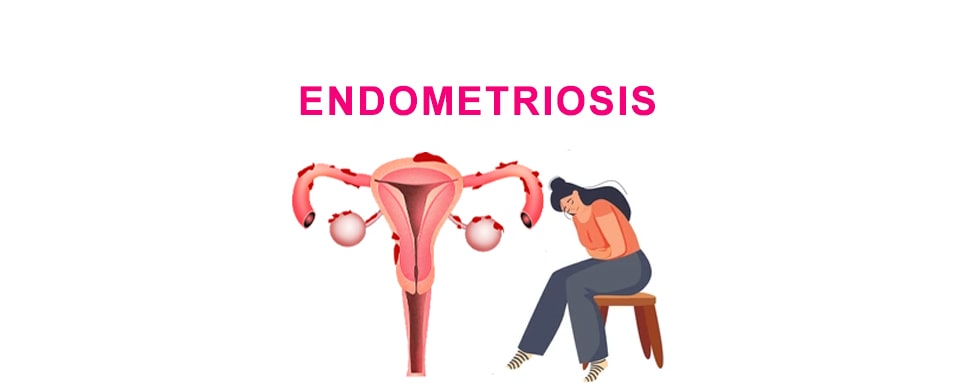
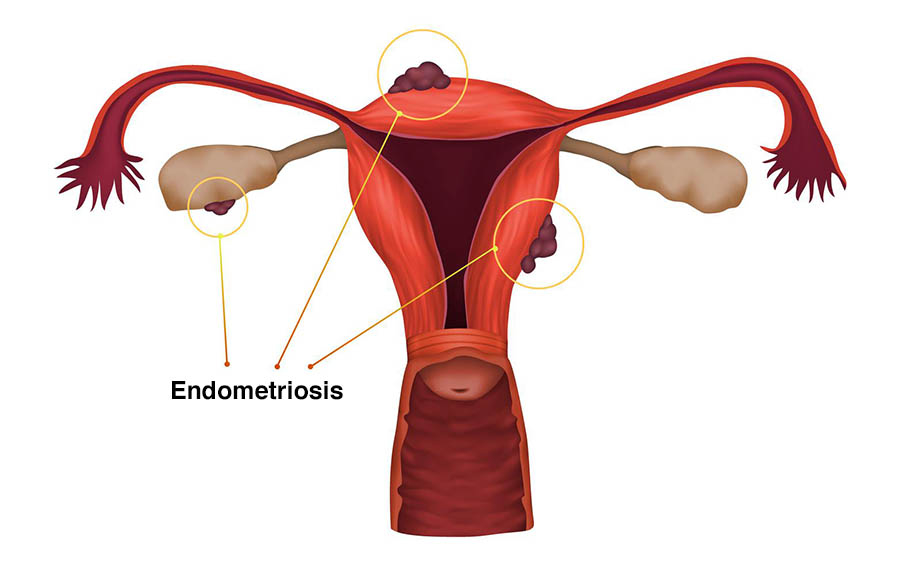
The Role of Diet and Nutrition in Managing Endometriosis Symptoms

Understanding the Connection Between Diet and Endometriosis Symptoms

Diet plays a significant role in managing endometriosis treatment in Delhi Research shows that certain foods can trigger inflammation and worsen pain, while others can reduce inflammation and promote hormonal balance. At Ayu Fertility, our team of experts works closely with patients to understand their dietary needs and create personalized meal plans that can help manage endometriosis symptoms.

Foods to Avoid with Endometriosis: Trigger Foods and Inflammatory Foods

Certain foods can trigger endometriosis symptoms and should be avoided, including dairy, gluten, soy, and processed foods. These foods can cause inflammation, which can worsen pain and other symptoms. Ayu Fertility recommends avoiding these foods and incorporating anti-inflammatory foods such as fruits, vegetables, whole grains, and healthy fats into the diet.

Endometriosis Diet: Foods to Include for Hormonal Balance and Pain Management

In addition to avoiding trigger and inflammatory foods, Ayu Fertility recommends incorporating specific foods into the diet to promote hormonal balance and pain management. These include foods high in omega-3 fatty acids, such as fatty fish and flaxseeds, as well as foods high in antioxidants, such as berries and leafy greens. We also recommend increasing fiber intake to reduce estrogen levels and promote regular bowel movements.

Nutritional Supplements for Managing Endometriosis Symptoms

In addition to dietary changes, nutritional supplements can also help manage endometriosis symptoms. Ayu Fertility may recommend supplements such as omega-3 fatty acids, vitamin D, and magnesium to promote hormonal balance and reduce inflammation.

Lifestyle Changes for Better Endometriosis Management: Exercise, Sleep, and Stress Reduction

In addition to dietary changes and supplements, lifestyle changes such as regular exercise, adequate sleep, and stress reduction techniques can also help manage endometriosis symptoms. Ayu Fertility provides resources and guidance for incorporating these changes into a patient’s daily routine.

Working with a Registered Dietitian for Endometriosis Treatment in Delhi

At Ayu Fertility, patients have access to registered dietitians who specialize in Best endometriosis treatment in Delhi. These experts can provide personalized meal plans, nutritional supplements, and lifestyle recommendations tailored to each patient’s specific needs.

Incorporating Traditional Ayurvedic Medicine into Endometriosis Treatment at Ayu Fertility in Delhi.

Ayu Fertility incorporates traditional Ayurvedic medicine into endometriosis treatment in Delhi plans. Ayurveda is an ancient Indian system of medicine that uses natural remedies and lifestyle practices to promote overall health and wellness. Ayu Fertility may recommend Ayurvedic practices such as yoga, meditation, and herbal remedies to complement dietary and lifestyle changes for managing endometriosis symptoms.

Preventing Male Infertility: Lifestyle Changes and Prevention Strategies Recommended by Top Doctors in Delhi NCR

Introduction: 

Male infertility is a common problem that affects many couples in India. It can be caused by a range of factors, including lifestyle choices, medical conditions, and genetic factors. Fortunately, there are several lifestyle changes and prevention strategies that can help prevent male infertility. In this article, we will explore the best doctor for male infertility in Delhi NCR and the prevention strategies they recommend. We will also discuss why Ayu Fertility Clinic is the best option for those seeking treatment for male infertility.

What Causes Male Infertility?

 Male infertility can be caused by a variety of factors, including:

  1. Lifestyle Choices: Certain lifestyle choices, such as smoking, excessive alcohol consumption, and drug use, can damage sperm and reduce fertility.
  2. Medical Conditions: Medical conditions such as diabetes, infections, and hormonal imbalances can also affect male fertility.
  3. Genetics: Genetic factors can also play a role in male infertility.

Prevention Strategies for Male Infertility:

 There are several prevention strategies that can help prevent male infertility. Some of the key strategies include:

  1. Healthy Lifestyle: Maintaining a healthy lifestyle is essential for preventing male infertility. This includes regular exercise, a healthy diet, and avoiding smoking, excessive alcohol consumption, and drug use.
  2. Managing Medical Conditions: Managing medical conditions such as diabetes, infections, and hormonal imbalances is important for maintaining fertility.
  3. Avoiding Exposure to Toxins: Exposure to toxins such as chemicals and radiation can damage sperm and reduce fertility. Avoiding exposure to these toxins can help prevent male infertility.

Best Doctors for Male Infertility in Delhi NCR

If you are looking for a doctor for male infertility in Delhi NCR, Ayu fertility clinic is the best option. An Ayu Fertility Clinic is a leading fertility clinic that specializes in male infertility treatment. Their team of highly experienced and skilled doctors is dedicated to providing the best possible care and treatment to their patients.

 Dr. Prashant Jain, the founder and chief fertility consultant at Ayu fertility clinic, is one of the best doctors for male infertility in Delhi NCR. With over a decade of experience in the field of infertility treatment, Dr. Jain has successfully treated numerous cases of male infertility. She has extensive knowledge and expertise in the latest techniques and treatments for male infertility.

Dr. Jain and her team at Ayu fertility clinic are committed to providing personalized and compassionate care to each patient. They offer a wide range of treatment options for male infertility, including medical management, surgical procedures, and assisted reproductive technologies.

In addition to Dr. Jain, Ayu fertility clinic has a team of highly skilled and experienced doctors who specialize in male infertility treatment. They work together to provide comprehensive and customized treatment plans for each patient.

Why Choose Ayu Fertility Clinic? 

Ayu Fertility Clinic is the best option for those seeking treatment for male infertility in Delhi NCR. Here are some of the reasons why:

  1. Experienced Doctors: Ayu Fertility Clinic has a team of experienced doctors who specialize in male infertility. They use a holistic approach to treatment, addressing the root causes of infertility.
  2. Personalized Treatment Plans: Ayu Fertility Clinic offers personalized treatment plans tailored to each patient’s unique needs. They use a combination of modern medical treatments and Ayurvedic medicine for optimal results.
  3. Latest Techniques: Ayu Fertility Clinic uses the latest techniques for male infertility treatment, including ICSI and IVF.
  4. High Success Rates: Ayu Fertility Clinic has a high success rate, with many patients achieving their goal of conceiving a child.

Conclusion: 

Male infertility is a common problem that affects many couples in India. Fortunately, there are several prevention strategies and treatment options available. Choosing the best doctor for male infertility in Delhi NCR is essential for achieving optimal results. Ayu Fertility Clinic is the best option for those seeking treatment for male infertility, with experienced doctors, personalized treatment plans, and the latest techniques for treatment.

Balancing Your Mind, Body, and Spirit: A Guide to Ayurvedic Practices and Online Consultations

Introduction:

 Ayurvedic medicine has been practiced for thousands of years and offers a holistic approach to health and wellness. With the advancements in technology, it is now possible to consult with ayurvedic doctor online consultation, making it easier for people to access the benefits of this traditional medicine system. In this article, we will explore the benefits of Ayurvedic practices and online consultations, and why the Ayu fertility clinic is the best option for those seeking a holistic approach to fertility.

What is Ayurveda?

 Ayurveda is a traditional medicine system that originated in India thousands of years ago. It is based on the belief that every person is unique, and there is no one-size-fits-all approach to health and wellness. Ayurvedic medicine focuses on balancing the mind, body, and spirit to achieve optimal health. It uses a combination of natural remedies, including herbs, diet, lifestyle changes, and various therapies.

Benefits of Ayurvedic Doctor Online Consultation:

Ayurvedic practices offer a range of benefits for overall health and wellness. Some of the key benefits include:

  1. Promoting balance and harmony in the body.
  2. Boosting immunity and reducing the risk of disease.
  3. Reducing stress and anxiety.
  4. Promoting better digestion and reducing gastrointestinal issues.
  5. Supporting fertility and reproductive health.
  6. Improving overall mental health and well-being.

What is an Ayurvedic Online Consultation? 

An Ayurvedic online consultation is a virtual meeting with an Ayurvedic doctor. During the consultation, the doctor will ask questions about your health history, current health status, and lifestyle to create a personalized treatment plan. Online consultations make Ayurvedic medicine more accessible, allowing people to consult with Ayurvedic doctors from anywhere in the world.

Benefits of Ayurvedic Online Consultations: 

There are several benefits to consulting with an Best Ayurvedic ayurvedic doctor online consultation . Some of the key benefits include:

  1. Convenience: Online consultations allow you to consult with an Ayurvedic doctor from the comfort of your own home, saving time and money on travel.
  2. Accessibility: Online consultations make it possible to access the expertise of Ayurvedic doctors from anywhere in the world.
  3. Personalization: Ayurvedic doctors use a holistic approach to health and wellness, creating personalized treatment plans tailored to your unique needs.
  4. Improved Health Outcomes: Online consultations can lead to improved health outcomes, as you are more likely to follow a personalized treatment plan that fits into your lifestyle.

Why Choose Ayu Fertility Clinic?

 Ayu Fertility Clinic is the best option for those seeking a holistic approach to fertility. Here are some of the reasons why:

  1. Experienced Ayurvedic Doctors: Ayu Fertility Clinic has a team of experienced Ayurvedic doctors who specialize in fertility treatments. They use a holistic approach to address the root causes of infertility, creating personalized treatment plans tailored to each patient’s unique needs.
  2. Personalized Treatment Plans: Ayu Fertility Clinic offers personalized treatment plans that combine Ayurvedic medicine with modern medical treatments for optimal results.
  3. Online Consultations: Ayu Fertility Clinic offers online consultations, making it easy for patients to access their services from anywhere in the world.
  4. Natural Approaches: Ayu Fertility Clinic uses natural approaches to fertility treatments, avoiding harsh chemicals and synthetic drugs whenever possible.
  5. Success Rates: Ayu Fertility Clinic has a high success rate, with many patients achieving their goal of conceiving a child.

Conclusion: 

Ayurvedic medicine offers a holistic approach to health and wellness, promoting balance and harmony in the mind, body, and spirit. Online consultations with Ayurvedic doctors make this traditional medicine system more accessible than ever before. Ayu Fertility Clinic is the  Best Ayurvedic Doctor in Delhi for those seeking a holistic approach to fertility, with experienced doctors

The Role of Diet in PCOS Management According to Ayurveda

Introduction:

 Polycystic Ovary Syndrome (PCOS) is a common hormonal disorder that affects women of reproductive age. It is characterized by irregular periods, ovarian cysts, and elevated levels of androgens (male hormones) in the body. Ayurveda, a traditional system of medicine from India, offers a holistic approach to the management of PCOS, with a focus on diet, lifestyle, and herbal remedies.

 In this article, we will explore the role of diet in PCOS management according to Ayurveda, and provide tips for finding the best Ayurvedic doctor for PCOS.

Understanding the Ayurvedic Approach to PCOS 

Ayurveda views PCOS as a manifestation of an underlying imbalance in the body, which can be caused by a variety of factors including poor diet, stress, and lifestyle habits. The Ayurvedic approach to PCOS management involves identifying the root cause of the imbalance and using diet, lifestyle, and herbal remedies to restore balance to the body.

The Importance of a balanced diet in PCOS management 

According to Ayurveda, diet plays a critical role in the management of PCOS. A balanced diet can help regulate hormonal imbalances, reduce inflammation in the body, and promote the elimination of toxins. Ayurvedic doctors may recommend a diet that is tailored to the individual’s dosha (body type) and overall health.

The Ayurvedic approach to macronutrients for PCOS management

 In Ayurveda, there are three primary macronutrients: carbohydrates, protein, and fat. Top Ayurvedic doctor for PCOS may recommend specific ratios of these macronutrients based on the individual’s dosha and overall health. For example, individuals with a Kapha dosha may be advised to consume fewer carbohydrates and more protein, and healthy fats to support weight management and hormonal balance.

The Role of Ayurvedic Superfoods in PCOS Management 

Ayurvedic superfoods such as ghee, turmeric, and ginger can be beneficial for PCOS management. These foods are known for their anti-inflammatory properties and can help regulate hormonal imbalances in the body. Ayurvedic doctors may recommend incorporating these superfoods into the diet to support overall health and well-being.

The Importance of digestion in PCOS management 

According to Ayurveda, good digestion is essential for overall health and well-being. Poor digestion can lead to the accumulation of toxins in the body, which can exacerbate PCOS symptoms. Best ayurvedic doctor for PCOS may recommend specific foods and herbs to support digestion and promote the elimination of toxins from the body.

The Role of Ayurvedic Spices in PCOS Management 

Ayurvedic spices such as cumin, coriander, and fennel can be beneficial for PCOS management. These spices are known for their digestive and anti-inflammatory properties and can help regulate hormonal imbalances in the body. Ayurvedic doctors may recommend incorporating these spices into the diet to support overall health and well-being.

The Ayurvedic Approach to meal timing for PCOS Management 

In Ayurveda, meal timing is considered important for optimal digestion and overall health. Ayurvedic doctors may recommend specific meal timings based on the individual’s dosha and overall health. For example, individuals with a Pitta dosha may benefit from eating smaller, more frequent meals to support digestion and hormonal balance.

The Role of Ayurvedic Herbs in PCOS Management

Ayurvedic herbs can be an effective way to manage PCOS symptoms. Herbs such as ashwagandha, Shatavari, and Guduchi can help in reducing inflammation in the body, regulating hormonal imbalances, and improving overall reproductive health. Ashwagandha is known for its stress-reducing properties and can help alleviate stress-related PCOS symptoms.

Shatavari is a rejuvenating herb that can help regulate menstrual cycles and improve fertility. Guduchi is an immune-boosting herb that can help reduce inflammation in the body and support overall reproductive health. Ayurvedic doctors may recommend specific herbs based on the individual’s dosha and overall health.

The Ayurvedic Approach to lifestyle changes for PCOS Management

 In addition to diet and herbs, Ayurveda also emphasizes the importance of lifestyle changes for PCOS management. Lifestyle changes such as regular exercise, stress management, and adequate sleep can help regulate hormonal imbalances and reduce inflammation in the body. Ayurvedic doctors may recommend specific lifestyle changes based on the individual’s dosha and overall healthFinding the Best Ayurvedic Doctor for PCOS

When looking for an Ayurvedic doctor for PCOS management, it is important to do your research and find a qualified and experienced practitioner. Look for an Ayurvedic doctor who is licensed and has received proper training in Ayurvedic medicine. Ask for recommendations from friends and family or search online for reputable Ayurvedic clinics in your area. During your consultation, be sure to ask questions and communicate your health concerns and goals clearly to ensure you receive the best possible care.

Conclusion:

 In conclusion, Ayurveda offers a holistic approach to the management of PCOS, with a focus on diet, lifestyle, and herbal remedies. By understanding the Ayurvedic approach to PCOS management and working with a qualified and experienced Ayurvedic doctor, individuals with PCOS can effectively manage their symptoms and improve their overall health and well-being.

Design a site like this with WordPress.com
Get started